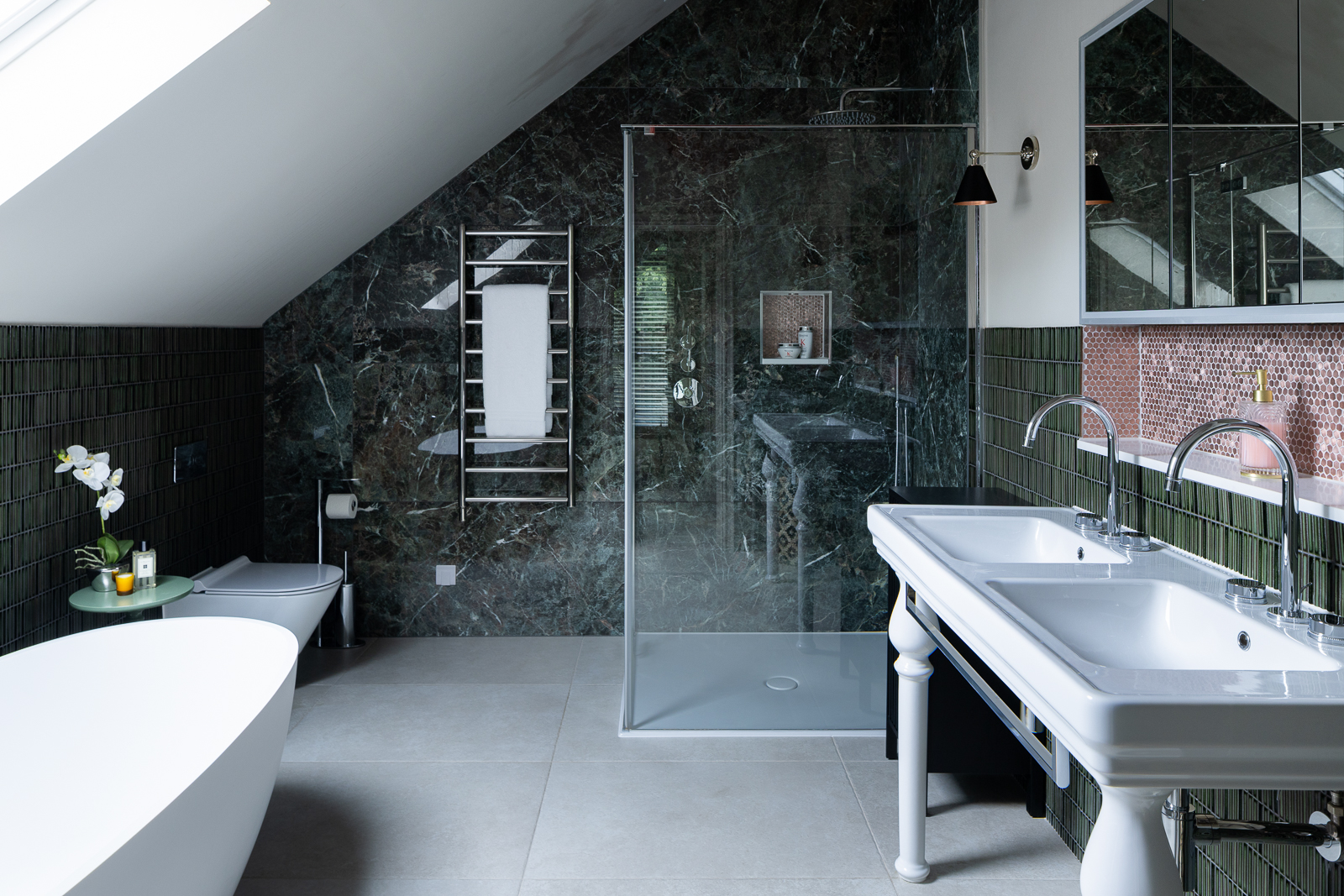
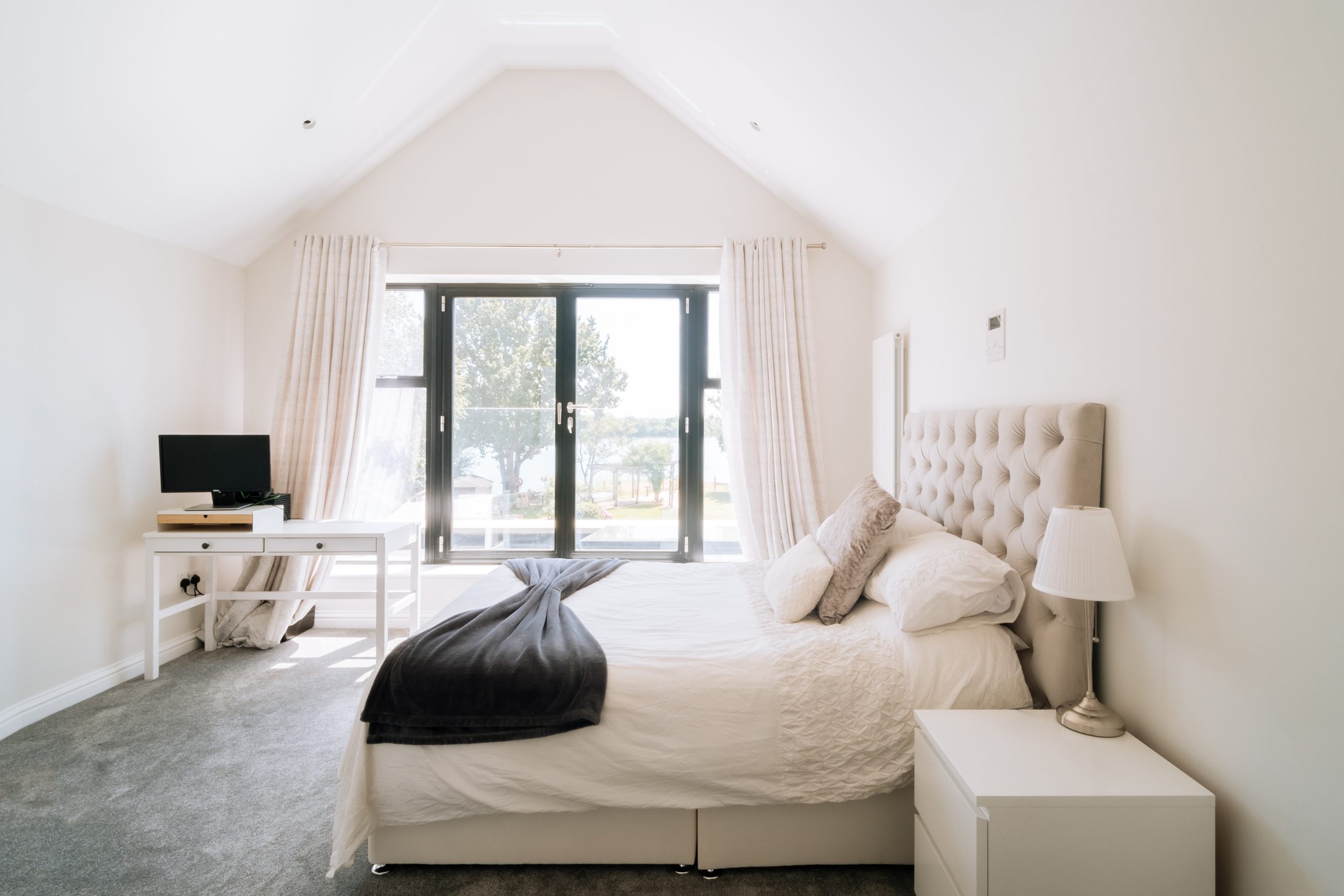
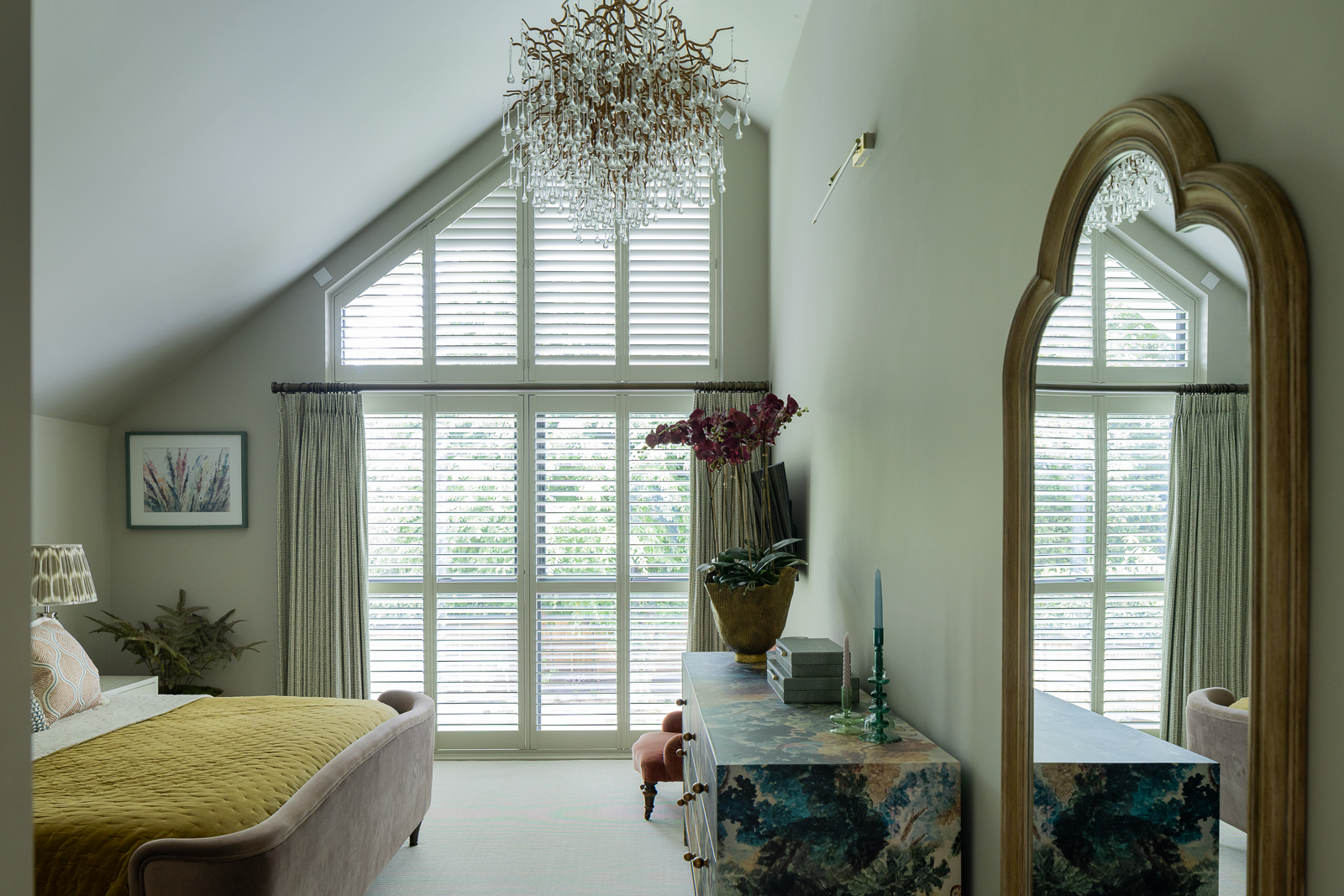
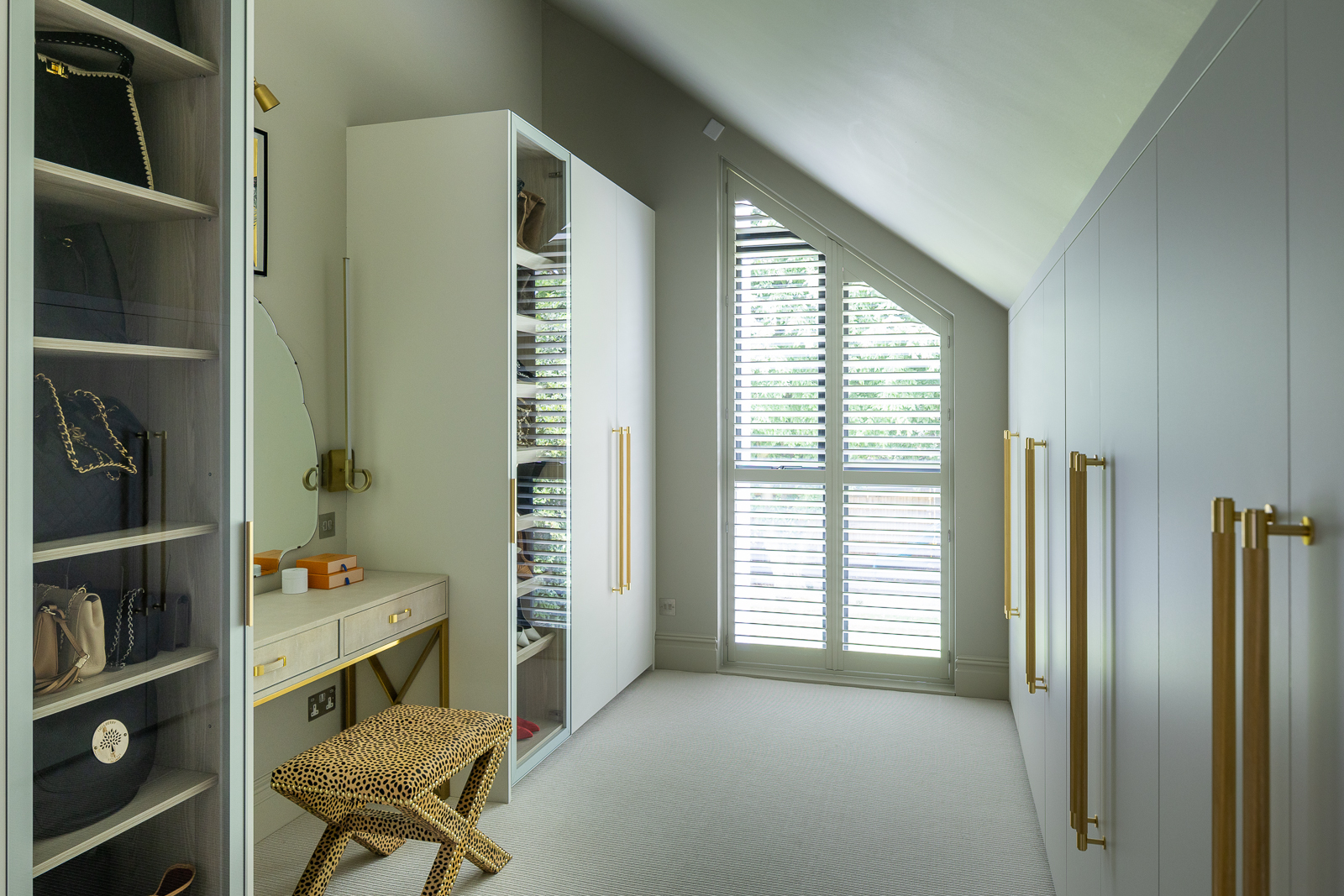
Thinking about a loft conversion?
Many homeowners dream of turning unused roof space into an extra bedroom, home office, or playroom — but not every loft is immediately suitable for conversion.
With over 10 years of experience and more than 500 loft conversions designed, Fluent Architectural Design Services has seen almost every property type and roof configuration. In this guide, we’ll explain how to determine whether your loft can be converted, what structural factors to check, and how to get started with confidence.
1. Check Your Loft Height
The first step in loft conversion feasibility is measuring your internal loft height. This is a key factor in deciding whether your loft can be converted into a comfortable living space.
-
Measure from the top of the existing ceiling joists to the underside of the ridge beam.
-
You’ll need a minimum of 2,350mm to achieve 2,000mm finished headroom after floor, insulation, and ceiling work.
-
If below this, options include lowering first-floor ceilings or raising the roof.
Legal minimum is 2.0m, but higher headroom improves comfort, particularly for bedrooms and home offices.
2. Understand Your Roof Type
Your roof structure determines how easily a loft conversion can be completed:
-
Traditional (hand-cut) roofs: Older homes often have thicker timbers and are more flexible for conversions.
-
Trussed roofs: Modern homes typically use prefabricated frames joined by metal plates. Conversions are possible but may require structural reinforcement.
Tip: Look for metal connector plates (trussed roofs) or solid rafters and purlins (traditional roofs) to identify your roof type.
3. Assess Structural Feasibility
Most loft floors aren’t initially strong enough for habitable rooms. Structural reinforcement, often with steel beams, is needed to support the floor and any dormer additions.
If your loft height is slightly under 2,350mm:
-
Remove existing ceilings and fit the new floor structure at the same level to gain around 100mm.
-
Lower first-floor ceilings, which involves removing, reboarding, plastering, and redecorating. Typical cost: £6,000 + VAT for a three-bedroom semi-detached home.
When lowering ceilings, consider window heights, bathroom tiling, and built-in furniture adjustments.
4. Identify Your House Construction Type
Different property constructions affect design and structural requirements:
-
Brick/block homes: Straightforward; beams usually span to external walls.
-
Timber frame homes: Require careful engineering due to lighter load-bearing capacity.
-
Steel/metal frame homes: Less common; specialist structural design is essential.
Unsure? Builders or architects can perform small exploratory checks for our engineers to assess.
5. Planning Permission and Permitted Development
Most loft conversions fall under permitted development rights, but limits apply:
-
Terraced houses: Up to 40m³ of roof volume.
-
Semi-detached and detached: Up to 50m³.
-
Materials must match the existing roof.
-
New roof extensions must not exceed the existing ridge height.
Previous extensions may reduce available volume under permitted development.
Hip-to-gable conversions are ideal for semi-detached homes to maximise space.
For lofts requiring ridge height increases or larger extensions, full planning permission is needed — often achievable with the right architectural guidance.
6. Design & Lifestyle Considerations
A loft conversion isn’t just about space; it’s about creating a functional, enjoyable room that enhances your home.
-
Purpose: Bedroom, office, or playroom?
-
Light: Dormer windows or rooflights.
-
Layout: Staircase positioning and headroom.
-
Aesthetics: Materials and finishes that blend with your home.
Working with an experienced architectural designer in Surrey ensures your loft is maximised for comfort and practicality.
7. Next Steps: How to Find Out if Your Loft Can Be Converted
-
Book a Consultation
Our team will measure your loft, assess height, roof type, structure, and advise on permitted development and building regulations. -
Get a Feasibility Assessment and Cost Estimate
Receive an accurate budget and understand any structural or planning constraints. -
Define Your Goals
Whether a bedroom, en-suite, or home office, we tailor your design to your lifestyle. -
Visualise Your Design
Explore 3D visuals or virtual reality to see your loft before construction begins.
Important Note: Not all design-and-build companies fully understand the architectural or regulatory complexities of loft conversions. Working with a qualified architectural designer ensures compliance, optimal space, and a smooth project.
At Fluent Architectural Design Services, we guide homeowners across Surrey, Middlesex, Berkshire, and West London through every step — from free consultations and feasibility assessments to full planning, technical design, and introductions to trusted local builders.
Not every loft is immediately suitable for conversion, but most can be transformed into practical, beautiful living spaces with the right assessment. Understanding your loft’s height, structure, and planning options allows you to move forward with confidence.
Ready to Explore Your Loft Conversion?
Book your free consultation today and discover the hidden potential in your home.