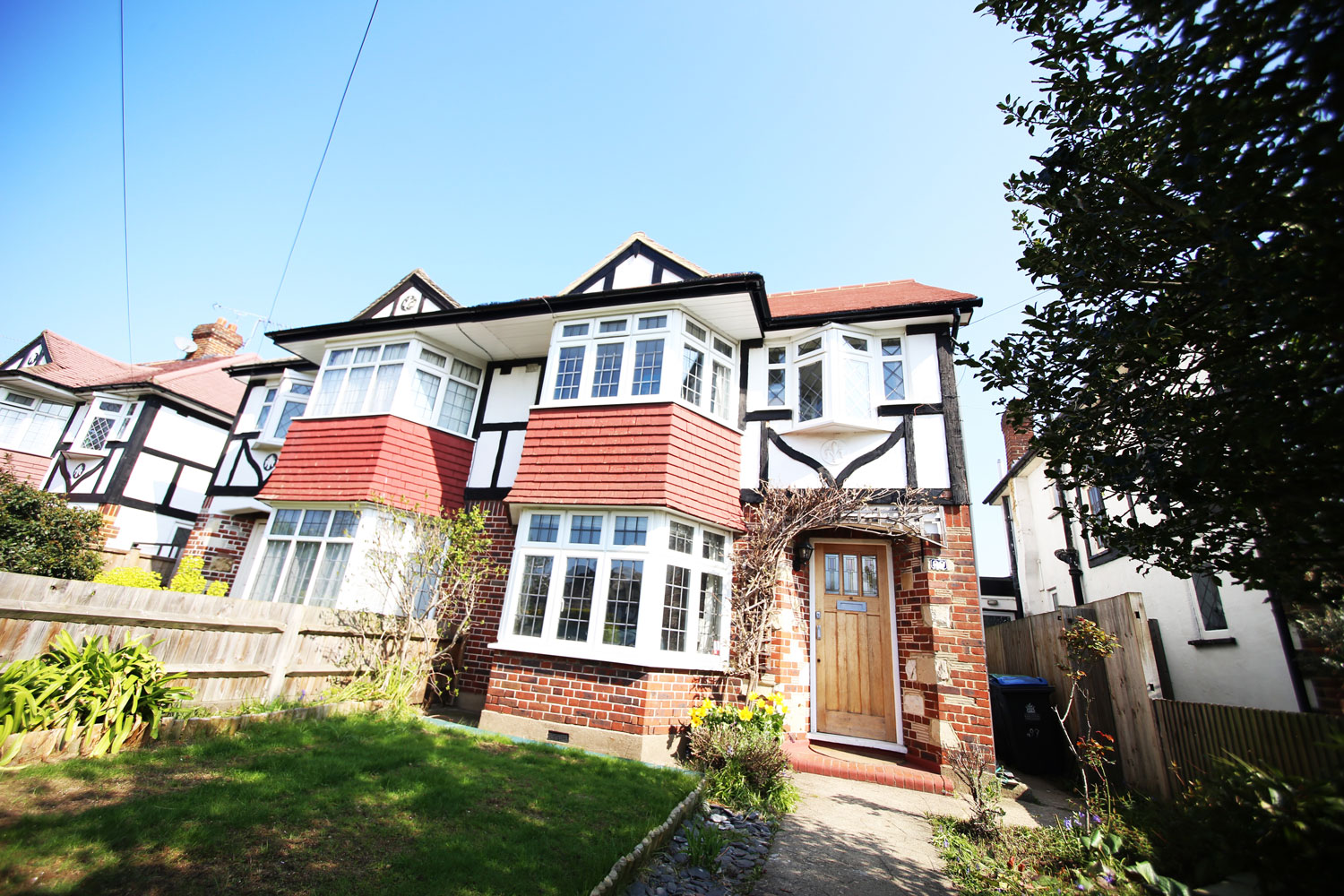
Not every home extension requires a Party Wall Agreement. It depends on the type of work you’re carrying out and how it relates to neighbouring properties.
If you’re building on or near a shared boundary, altering a party wall or excavating close to a neighbouring building, the Party Wall etc. Act 1996 may apply.
Do you always need one?
Does it delay your project?
Can a neighbour refuse?
The good news is that not every project requires a Party Wall Agreement, and understanding the basics early can help you avoid unnecessary stress later.
What is a Party Wall?
A party wall is a wall that is shared by two properties. In many cases, this is the wall between two semi-detached or terraced homes, although the legislation also covers party structures, boundary walls and certain types of excavation close to neighbouring buildings.
The rules surrounding party walls are set out in the Party Wall etc. Act 1996, which is designed to protect both homeowners and their neighbours when certain building works are proposed.
Do I Always Need a Party Wall Agreement?
No.
This is one of the biggest misconceptions.
Whether you need to serve a Party Wall Notice depends on the type of work you are carrying out, not simply the fact that you are extending your home.
For example, you may need to consider the Party Wall Act if you are:
- Building on or up to the boundary line.
- Cutting into a shared wall to insert beams.
- Raising or altering a party wall.
- Carrying out excavation work close to a neighbouring property.
However, many projects do not require a Party Wall Agreement at all.
Because every property is different, it’s important to understand your specific circumstances before assuming one will be needed.
Is a Party Wall Agreement the Same as Planning Permission?
No.
This is another area that often causes confusion.
Planning Permission, Building Regulations and the Party Wall Act are three completely separate processes.
Planning Permission considers whether your proposed development is acceptable.
Building Regulations ensure the work is designed and constructed safely.
The Party Wall Act helps protect neighbouring properties when certain types of work are carried out.
One does not replace another, and depending on your project, you may need one, two or all three.
Can My Neighbour Stop Me Building?
This is probably one of the questions we hear most often.
In most cases, the Party Wall Act does not give neighbours the power to stop a development that is otherwise lawful.
Instead, it provides a legal framework for resolving matters relating to the proposed work and protecting both parties.
If your neighbour raises concerns, there are established procedures to help reach an agreement.
Understanding these requirements early often helps avoid misunderstandings and maintains good relationships throughout the project.
When Should I Think About the Party Wall Act?
The earlier, the better.
Many homeowners don’t realise that party wall matters should be considered before construction begins.
Leaving it until the last minute can create avoidable delays, particularly if notices need to be served or surveyors become involved.
Thinking about these requirements during the design stage allows potential issues to be identified early, giving everyone more time to prepare.
How Can Good Design Help?
Good architectural design is about much more than creating attractive drawings.
An experienced architectural designer will also consider how your proposed extension interacts with neighbouring properties and identify where additional approvals or procedures may be required.
This helps homeowners understand the journey ahead and avoid surprises once the project is underway.
Common Misunderstandings About Party Wall Agreements
There are several myths surrounding the Party Wall Act.
“Every extension needs one.”
Not true. It depends on the type of work and the property’s relationship with neighbouring buildings.
“Planning Permission covers the Party Wall Agreement.”
No. These are entirely separate legal processes.
“My neighbour can refuse my extension.”
Not necessarily. The Party Wall Act provides a process for managing certain works—it doesn’t automatically prevent them.
“I’ll deal with it once planning is approved.”
In many cases, it’s better to understand whether the Act applies much earlier so your project can progress more smoothly.
How Fluent Architectural Design Services Can Help
One of the most common things we hear from homeowners is, “We’re not sure what applies to our project.”
That’s perfectly normal.
Every home is different, and every project comes with its own considerations.
At Fluent Architectural Design Services, we help homeowners understand the approvals and processes that may apply to their project, from the earliest design stages through to preparing for construction.
Our aim is to make the journey as straightforward as possible by providing clear advice and helping you understand what comes next.